
Every homeowner will, at some point, encounter plumbing problems. Whether it’s a dripping faucet, a running toilet, or a clogged drain, understanding how to diagnose these issues can save you time and money. Before calling plumbing companies near me, there are a few diagnostic steps you can take on your own. This blog will walk you through identifying common plumbing problems, offering insight on when it’s time to call in professional plumbing services in Carlsbad.
Plumbing issues can range from minor inconveniences to major problems that require immediate attention. While some problems are easy to detect, others might lurk behind walls, under floors, or deep within your plumbing system. Learning how to diagnose plumbing problems early can prevent costly repairs down the line. By understanding the signs and causes of common plumbing issues, you can decide whether to handle the issue yourself or enlist the help of professional plumbing services.
Step 1: Check for Obvious Signs of Plumbing Problems
When diagnosing plumbing issues, the first step is to look for visible signs of trouble. These could include:
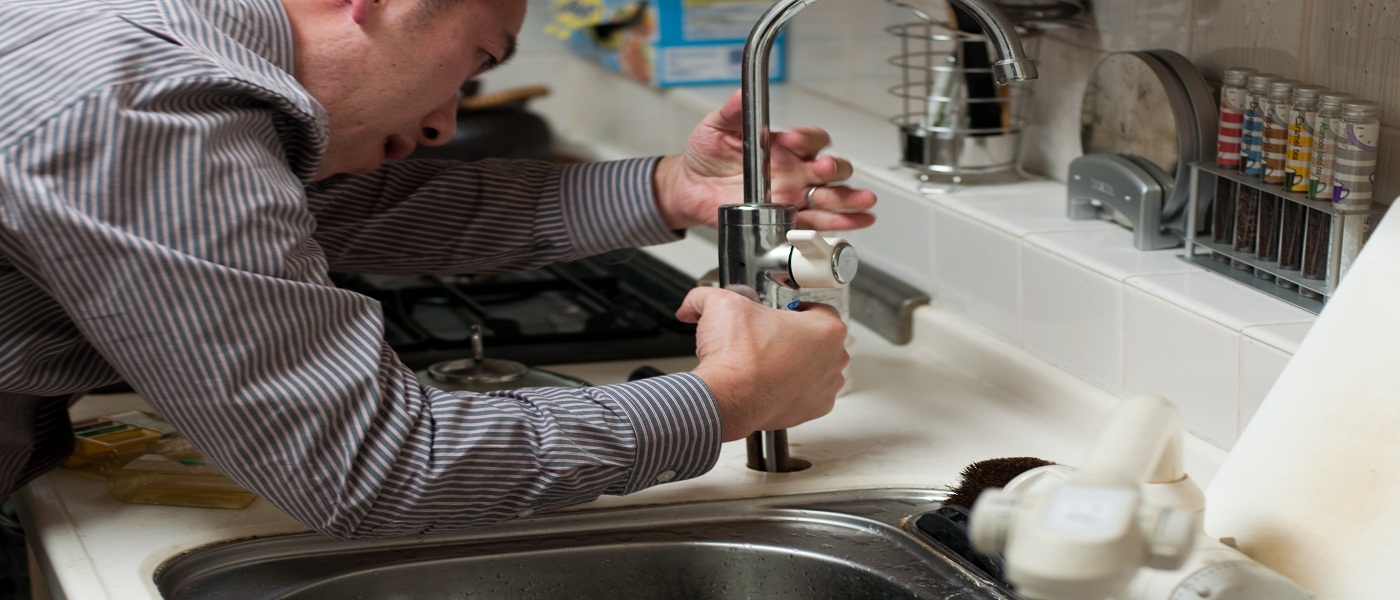
Leaking Faucets: A dripping faucet may seem like a small problem, but it can waste gallons of water over time and drive up your water bill. Leaks are often caused by worn-out washers, seals, or faulty O-rings.
Low Water Pressure: Low water pressure can make it difficult to shower or wash dishes. If the issue affects only one faucet, the problem may be with that fixture. If the whole house experiences low pressure, it could indicate a problem with your water supply, clogged pipes, or even a leak in the system.
Clogged Drains: Slow or clogged drains are another common issue. If water is draining slowly in multiple areas of your home, it might indicate a blockage in the main sewer line. Minor clogs in a single sink or shower can often be fixed with a plunger or drain cleaner, but persistent clogs should be addressed by plumbing services in Carlsbad.
Running Toilet: A toilet that continues running after flushing is not only annoying but also a major water waster. The problem is usually due to a faulty flapper, fill valve, or float mechanism inside the toilet tank. Fortunately, these parts are relatively inexpensive and easy to replace.
Water Stains: Water stains on your ceiling or walls could indicate a hidden leak. If you notice unexplained damp spots, watermarks, or mold growth, this could be a sign of a leak in your plumbing system that needs immediate attention.
Step 2: Listen for Unusual Sounds
Your plumbing system should run quietly for the most part. However, strange noises can be an early warning sign of plumbing issues:
Banging or knocking pipes: This could indicate water hammer, which happens when water abruptly stops or changes direction in the pipes. Installing a water hammer arrestor might solve the issue, but if you’re unsure, it’s best to consult with plumbing companies near me.
Gurgling sounds: A gurgling toilet or sink could be caused by a blockage in your drain line, forcing air back up through the pipes. This could be a simple fix with a plunger or a more serious issue that requires professional drain cleaning.
Rumbling water heater: If your water heater makes rumbling or popping sounds, sediment might have built up inside the tank. This reduces the efficiency of your water heater and can eventually lead to failure. A professional inspection from plumbing services in Carlsbad can help determine whether your water heater needs flushing or replacement.
Step 3: Monitor Water Usage and Bills
One of the easiest ways to diagnose hidden plumbing problems is to keep an eye on your water bill. If your water usage has increased without any change in habits, there may be a leak somewhere in your plumbing system.
Use your water meter: If you suspect a leak, shut off all water fixtures in your home and check your water meter. If the meter continues to move, you likely have a hidden leak. This could be a leak in the slab, behind the walls, or beneath the foundation.
Step 4: Test for Silent Leaks
Silent leaks, such as those in toilets or under sinks, can go unnoticed for a long time. To test for a silent toilet leak, put a few drops of food coloring in the toilet tank and wait 15-20 minutes without flushing. If the color appears in the bowl, you have a leak.
For other silent leaks, check under sinks and around the base of appliances for any pooling water, mold, or dampness. Catching these issues early can help avoid serious water damage.
Conclusion
Diagnosing plumbing problems doesn’t always require the expertise of a professional, but knowing when to call in plumbing companies near me can make all the difference in preventing a minor issue from turning into a major disaster. By paying attention to visible signs, strange sounds, and unexpected water usage, you can identify many common plumbing problems early.
However, some issues—such as hidden leaks, main sewer line blockages, or persistent low water pressure—are best left to professional plumbing services in Carlsbad. Whether you choose to tackle the problem yourself or call a local plumber, early detection and timely repairs will help ensure the longevity and efficiency of your plumbing system.