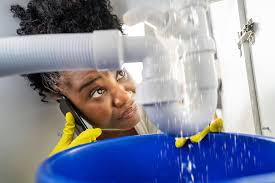
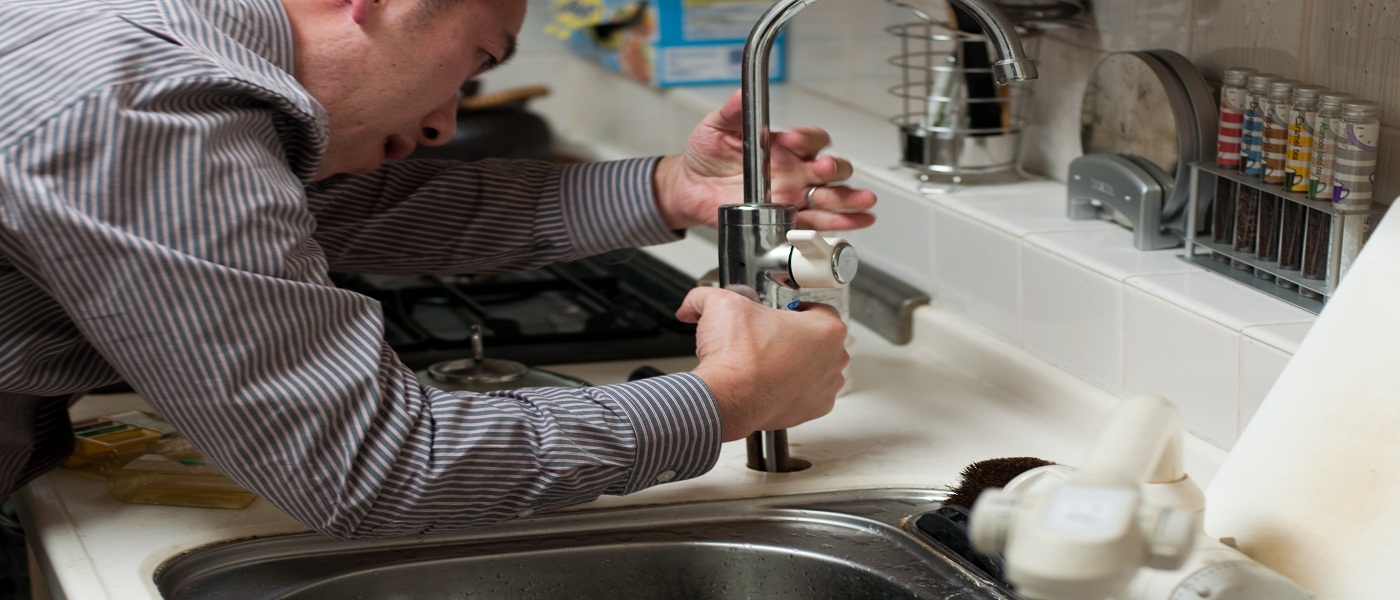
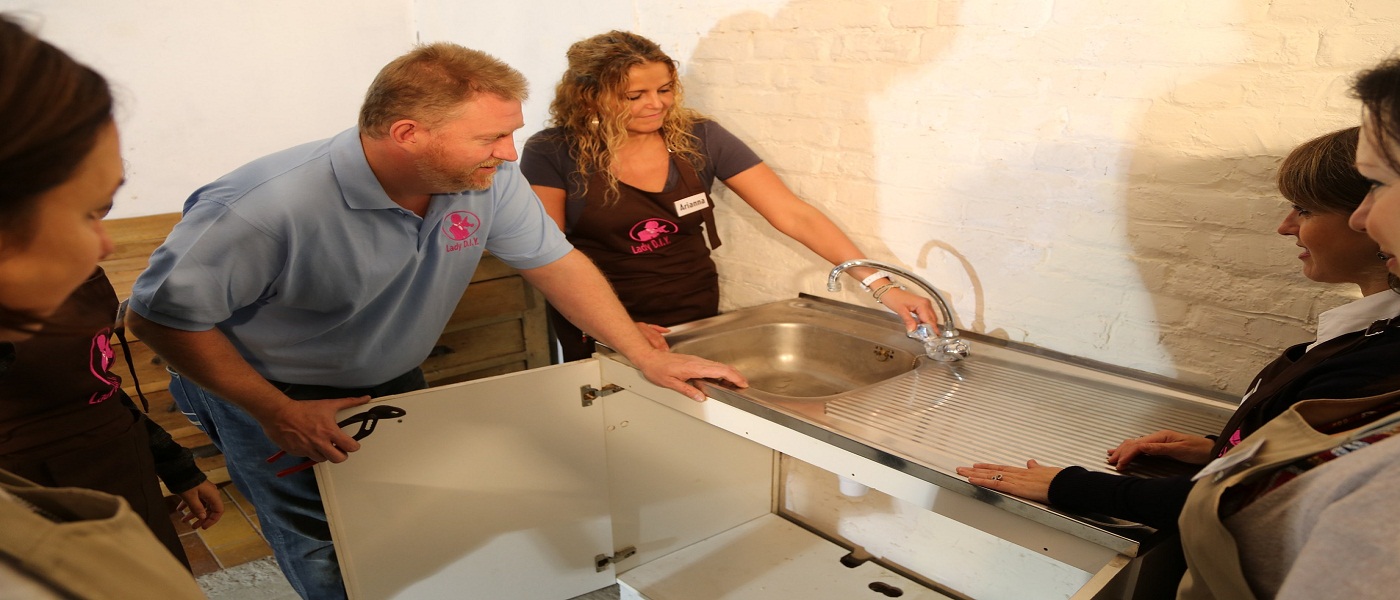
Few plumbing problems are as frustrating as a backed-up drain or sewer line. When water starts to come back up instead of flowing down, it can lead to unpleasant odors, slow drainage, and even potential water damage. Whether it’s a minor clog in a sink or a major blockage in the main sewer line, it’s essential to address the issue quickly. Understanding the causes and solutions can help you restore proper drainage and prevent future problems. If the issue persists, calling plumbing services in Carlsbad or searching for plumbing companies near me can ensure a professional fix.
Common Causes of Plumbing Backups
Plumbing backups can occur for various reasons. Identifying the cause can help you determine the best way to fix the problem. Here are some common culprits:
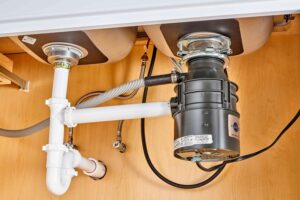
- Clogged Drains – Hair, grease, soap scum, and food debris can build up in pipes, leading to blockages.
- Sewer Line Blockages – Tree roots, foreign objects, or accumulated waste can clog the main sewer line, causing backups in multiple fixtures.
- Septic System Issues – If you have a septic tank, a backup may indicate it’s full or experiencing problems.
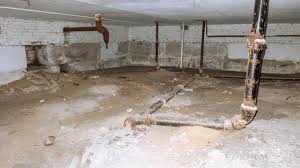
- Broken or Collapsed Pipes – Older plumbing systems may suffer from deteriorating pipes, leading to blockages and slow drainage.
- Heavy Rainfall or Flooding – Excessive water can overload the sewer system, causing it to push wastewater back into homes.
How to Fix Plumbing Backups
Depending on the severity of the problem, you may be able to fix the issue yourself or require the help of a professional.
1. Try a Plunger
A plunger can help clear minor clogs in sinks, toilets, and bathtubs. Use a cup plunger for sinks and a flange plunger for toilets. Ensure there’s enough water in the fixture to create suction, then plunge up and down vigorously.
2. Use a Drain Snake or Auger
For deeper clogs, a drain snake or auger can break up debris and clear blockages. Feed the tool into the drain, twist it, and pull out any trapped material. This method is effective for hair, food particles, and small obstructions.
3. Pour Boiling Water or Baking Soda & Vinegar
For minor grease or soap scum buildup, boiling water can help dissolve blockages. Alternatively, pour a mixture of baking soda and vinegar down the drain, let it sit for 15 minutes, and then flush with hot water.
4. Check the Sewer Cleanout
If multiple drains are backing up, the problem may be in the main sewer line. Locate the sewer cleanout pipe outside your home, remove the cap, and check for blockages. If wastewater is visible, you may need professional plumbing services in Carlsbad to clear the line.
5. Avoid Chemical Drain Cleaners
While chemical cleaners may seem like a quick fix, they can corrode pipes over time, causing more significant damage. Instead, opt for natural solutions or mechanical methods like snaking.
6. Call a Professional for Severe Clogs
If home remedies don’t work, it’s time to search for plumbing companies near me to find a qualified plumber. Professionals have specialized tools like hydro jetting machines and sewer cameras to identify and remove blockages safely.
Preventing Future Plumbing Backups
To avoid recurring backups, take these preventive measures:
- Dispose of Waste Properly – Avoid flushing anything other than toilet paper, and never pour grease or food scraps down the drain.
- Use Drain Strainers – Install strainers in sinks and showers to catch hair, soap residue, and food particles.
- Regularly Maintain Your Plumbing – Schedule professional inspections with plumbing services in Carlsbad to detect potential issues early.
- Be Cautious with Landscaping – Avoid planting trees or shrubs near sewer lines to prevent root intrusion.
Conclusion
Plumbing backups can be messy and inconvenient, but they can often be resolved with basic tools like plungers, drain snakes, and natural cleaning solutions. If the problem persists or affects multiple drains, professional help may be necessary. Contacting plumbing services in Carlsbad or searching for plumbing companies near me can ensure your plumbing system is repaired correctly and remains in top condition. Taking preventive measures can also help reduce the risk of future backups, keeping your home’s plumbing running smoothly.
…