
 Water heating units come with an unexpected number of designs, choices, and functions. What makes one water heating system much better matched for your house than another?
We have assembled this guide to the hot water heater to assist you to have all the information you require to pick a hot water heater that’s right for you. Even if you do not need a hot water heater now, this is the sort of details you’ll wish to have when you do.
Kinds of hot water heater
We’ll start with the fundamentals. There are three primary ranges of hot water heater you can pick from:
- Tank Water Heaters
Tank water heaters are the most “standard” and widely-used hot water heater. These water heater heat water in a big, insulated tank and chop it up until it’s required. Many tank water heaters utilize either gas or electrical energy as a source of power.
Since they come in a large range of sizes, storage tank water heating systems are so extensively used. No matter what your house’s warm water requirements are, there’s likely a tank hot water heater for you. There’s always a saying: as long as there’s warm water in the tank, you can access warm water instantly.
- Tankless Water Heater
Tankless heating systems do not have a tank and do not save water. Rather, they include unique coils that heat water on need.
Storage tank heating units save lots of hot water in reserve. You definitly will not “run out” of hot water until you have actually diminished all the water held in the storage tank. Eventually, tankless water heating systems are more effective and affordable than storage tank water heating units.
- Hybrid Hot Water Heater
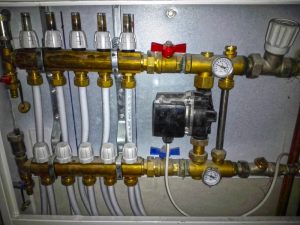 Hybrid heating units take ambient heat from the air around them and utilize it to warm the water inside. They’re much more energy effective than basic electrical water heating systems. However, they have their own restrictions too.
Here’s what to think about when you are purchasing a water heating unit
Next time you stay in the marketplace for a hot water heater, keep these three concerns in mind.
Just how much warm water do you utilize?
For storage-tank water heating units, the decision is called FHR, or first-hour score. For tankless water heating units, it’s called the GPM ranking, or gallons-per-minute.
For how long is the guarantee?
Service warranties for water heating systems tend to differ in between 2 to twelve years. The longer the guarantee, the longer your heating system will last.
What type of functions are you thinking about?
Contemporary water heating systems come with all kinds of whistles and bells. Some water heating systems consist of digital screens that keep track of levels of scale and other pollutants within the tank.
Extra functions like these can be really valuable; however, they likewise come at an extra expense. Weigh your alternatives and ask concerns to wind up with the very best possible heating unit for you.
…